USDA; HHS White Paper
Abstract
Introduction
Definitions and Meanings
Propaganda
Controlled Substances Act
Food
Environmental Connection
Health
Building a Culture of Good Health
Plant-Based Medicine vs. Pharmaceuticals
Rockefeller and Flexner
Fraudulent Misrepresentation
Solutions
Conclusion
Addendum
References
Abstract
Cannabis Sativa L. is the source of a unique set of compounds known collectively as phytocannabinoids. This review focuses on the misdirected history, irrational science, and the nutritional benefits in addition to proposed solutions for reevaluating the legal and social perceptions of the plant.
The whole Cannabis Sativa L. plant is nutrient-dense and can significantly reduce the risk of chronic disease, improve mental health, and enhance cognitive function when consumed as food or used medicinally. The synergistic effects of its many compounds work better than isolated components and may minimize exposure to harmful substances by supporting the body’s innate detoxification processes, especially using natural whole foods [01].
Excessive regulations—often referred to as “red tape”—must be addressed to advance food security and combat hunger. We all bear a responsibility to rectify past restrictions on cannabis. While some research points to potential risks, studies overwhelmingly show that the harms of prohibitions such as racial disparities in enforcement and criminalization—have had a serious societal impact. To minimize bias in research, it’s essential to critically examine each stage of the research process. This includes carefully scrutinizing the funding sources, the research design, data collection methods, analysis techniques, and the way results are reported and published.
Cannabinoids, minerals, vitamins, and essential fatty acids (EFA’s) can be acquired through dietary consumption of cannabis, particularly fresh-harvested material. This dietary intake of cannabis compounds can significantly influence the endocannabinoid system (ECS), which plays a vital role in maintaining homeostasis and regulating various physiological processes, including pain regulation, brain function and mood, gut health and appetite, and immune function. Cannabis has the potential to address a range of conditions and improve overall well-being. Cannabis is a good source of readily digestible protein and other nutrients, including polyphenols and isoprenoids.
Recently, recreational use has garnered the most attention, which has overshadowed the nutritional and medicinal benefits of the whole plant. This focus on recreational use has led to the neglect of its therapeutic value as food.
“Government’s sole purpose is safeguarding the individual and his/her inherent, inalienable rights; every societal institution that does not benefit the nation is illegitimate, especially monarchy and aristocracy.”
– Thomas Paine, “Rights of Man”
The review is specifically targeted at the US Department of Agriculture (USDA) and the Department of Health and Human Services (HHS) because of their shared responsibilities in areas of health, agriculture, food safety, and rural development. It also raises concerns about corruption within the FDA, particularly the undue influence of pharmaceutical and food industry interests. This influence has led to a decline in public trust, distortion of markets, exacerbation of inequalities, and the obstruction of economic growth.
One of many problems with the current situation is that the FDA’s reliance on data from private companies in its approval process creates a conflict of interest, potentially compromising safety standards. This dependence on industry-funded research can lead to biased data and inadequate scrutiny, raising concerns about the overall effectiveness and safety of approved products. This reliance can lead to external pressures influencing decisions, potentially prioritizing commercial interests over public health and safety.
The FDA has a history of approving potentially harmful drugs while overlooking safer, nutrition-based approaches. This includes ignoring nutrient synergy, micro-nutrient adequacy, and how food environments affect dietary choices, all of which are key to preventing chronic disease and supporting overall health. Their priorities appear misaligned with public health.
The National Food and Nutrient Analysis Program (NFNAP), part of the USDA, must be involved in conducting analytical research on the whole cannabis plant as food. NFNAP has a dynamic research program aimed at improving nutrient values in the National Nutrient Databank System (NDBS) [02].
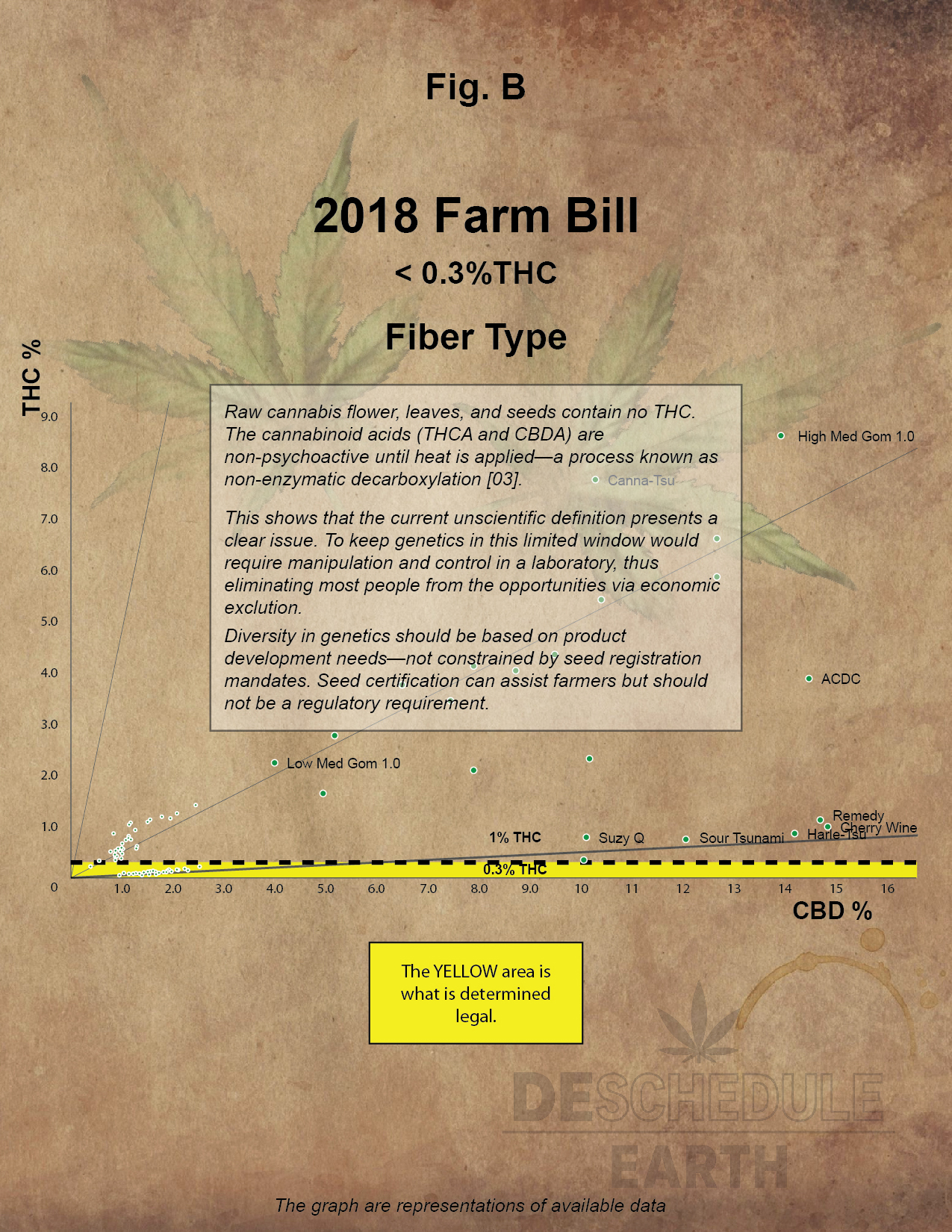
Raw cannabis flower, leaves, and seeds contain no THC. The cannabinoid acids (THCA and CBDA) are non-psychoactive until heat is applied—a process known as non-enzymatic decarboxylation [03].
Consistency in definitions is crucial when discussing cannabis. Clear, specific definitions guide action and prevent misinterpretation, the terminology can vary significantly depending on context, legal frameworks, and cultural perspectives [04]. Unfortunately, federal and state regulations have often abandoned scientific integrity in defining cannabis and hemp.
Conflicting regulations have hindered research and created a patchwork of inconsistent standards across the states, complicating quality control and standardization. A thorough review of the history of cannabis legislation in the U.S., including the 2018 Farm Bill’s definition of hemp, is imperative. It should be apparent that using clear and consistent definitions are essential to ensure accurate communication and understanding.
Cannabis—its flowers, leaves, and seeds—offers substantial nutritional value, including carbohydrates, fats, proteins, essential fatty acids, vitamins, and minerals. This composition supports overall health and nutrition. The freedom to cultivate and consume plants like cannabis for nutrition, exercise, and mental well-being is increasingly recognized as a fundamental human right, with rising calls for legal protection.
CBD acts as a non-competitive negative allosteric modulator of the CB1 receptor, reducing the responsiveness of the receptor to THC, meaning it alters the receptor’s shape to reduce THC’s binding affinity and subsequent psychoactive effects.. This interaction explains why CBD dampens the psychoactive effects of THC [05].
The Justice Department’s recent proposal to reclassify cannabis as a Schedule III drug reflects ongoing efforts by pharmaceutical companies to control the plant.
Reclassifying cannabis as Schedule III would require a prescription from a licensed healthcare provider. It would then be considered a controlled substance with accepted medical use and a moderate-to-low potential for abuse—like ketamine or Tylenol with codeine. However, even with this rescheduling, cannabis would remain federally illegal for recreational and non-prescribed medical use. This would require approval from the FDA before cannabis could be lawfully introduced into interstate commerce, but there are significant challenges and uncertainties surrounding the FDA.
The U.S. healthcare system also has conflicting interests, as they are largely based on insurance rather than direct access to care. They have been criticized for failing to meet human rights standards and access to care is often determined by employment status, insurance coverage, or financial capacity [06].
The criminalization of cannabis also has long-lasting effects. Lack of alternatives to incarceration, particularly for young people, removes key members from families and communities, disrupting economic stability. Individuals who win cannabis-related legal cases often continue to face stigma and long-term consequences from their experiences. The stigma associated with cannabis use and criminalization can have lasting effects on personal and professional life, even after legal battles are won. For example, a criminal record resulting from cannabis-related arrests can lead to difficulties in finding employment, losing or being barred from obtaining professional licenses, housing, accessing credit and loans and educational assistance. It stigmatizes individuals while undermining their ability to reintegrate into society.
“Rockefeller medicine”—a term referring to the pharmaceutical industry’s dominance over medical systems—has gripped society for over a century. Recent years have brought growing skepticism and a demand for alternative approaches [07]. Before the situation deteriorates further, we must brainstorm real solutions. This includes defining the problem, understanding root causes, and exploring structured, evidence-based solutions. Simply treating cannabis like a nutritional plant may be the most effective and sensible answer to these problems.
This report summarizes findings from objective and qualitative research. Science inherently encourages critical thinking and the evaluation of evidence.
Introduction
The integration of the whole, natural cannabis plant into dietary options is gaining attention due to its rich nutritional profile and health benefits. Raw cannabis is non-psychoactive, as the cannabinoids THCA and CBDA remain in their acidic form until heated making it a viable dietary addition without inducing a high. It is packed with essential nutrients like vitamins, minerals, fiber, and antioxidants, which can support the immune system, improve digestion, and reduce the risk of chronic diseases. Additionally, it contains terpenes and chlorophyll, which have calming and detoxifying properties, respectively.
It is widely recommended that we obtain our nutrition through a balanced diet rather than relying on synthetic supplements. In this context, the nutritional value of the cannabis plant is extraordinary [08]. Public interest in addressing nutritional deficiencies, chronic ailments, and diseases—often influenced by lifestyle choices and environmental factors—has grown significantly and is reflected in ongoing research and public health initiatives.
Diversity among individuals affects how we respond to nutrition, with variations in enzyme activity and biochemical traits influencing dietary requirements and nutrient absorption. For example, genetic predispositions and epigenetics can shape food preferences and nutrient intake patterns [09].
Both removing Cannabis from CSA Scheduling and if the USDA were to have jurisdiction over Cannabis Sativa L., we would likely see a major positive shift; many people prescribed pharmaceutical drugs would explore cannabis as an alternative, over half of alcohol consumers might switch to cannabis, and a third of individuals using illegal or synthetic substances might opt for cannabis instead [10].
“The research literature is unequivocal: most hard-core substance abusers come from abusive homes.” [11]
The current era is marked by significant transformation, offering ample opportunities to reassess and redefine outdated norms. It’s evident that various U.S. government agencies have long been influenced by corruption, and the cannabis industry, laws, and regulations are no exception.
As Americans, we have historically driven forward movements for independence and evolution. The private sector has shown greater adaptability and innovation in solving complex challenges than many public institutions, which are often burdened by bureaucratic inefficiencies and systemic dysfunction. The Declaration of Independence and Constitution of the united States of America were also significant in the context of international relations, as they gained recognition and support from other nations. These ideas laid the foundation for the United States to engage in diplomatic relations, form alliances, and participate in international trade.
Among federal agencies, the USDA, not the FDA or DEA, is best positioned to oversee cannabis. The USDA’s focus on agriculture, food, and rural development aligns directly with the plant’s nutritional, agricultural, and industrial value. We have a chance to transform the global narrative and correct deeply rooted misconceptions about this plant—improving public health in the process.
This is a call to completely reconsider the legal status of cannabis. Its classification as a Schedule I substance has a documented history of 88 years rooted in fraud, political manipulation, and misinformation. The current entanglement of politics with science, nutritional guidance, media narratives, and the influence of cartels, mafias, and corporations has distorted public understanding.
Cannabis as a Human Right
The right to the highest attainable standard of physical and mental health is a fundamental human right. This includes the right to control one’s own body and health—free from state interference. The current legal restrictions on cannabis violate these principles.
During the founding of the United States, Cannabis Sativa L. was a vital agricultural crop. The Mayflower reportedly carried hemp seed to the New World, and it was grown on colonial plantations for rope, paper, medicinal tonics, food, energy, and fiber. In fact, in 1619, Virginia passed a law requiring every farm to cultivate cannabis.
Definitions and Meanings
Consistency in definitions is essential. To apply a term appropriately, ambiguity must be avoided by consulting reliable sources. The plain and ordinary meaning of a term should guide its use, grounded in science, not ideology or fear.
There is no justification for inventing new definitions for a plant with a well-established botanical history. Scientific definitions are based on taxonomy and classification, not arbitrary legal reinterpretations. Unfortunately, both federal and state regulations regarding cannabis have departed from scientific rigor.
While the evolution of language is often organic, there have been deliberate attempts to manipulate the definitions of cannabis for political or economic ends. The semantic manipulation of terms like “marihuana,” in the early 20th century, is an example of how language has been used to stigmatize and marginalize. A few examples of other words that are often confused by people can be seen in [Fig. A]
Many of the commonly used terms in cannabis policy and public discourse are rooted in irrational, non-scientific, pop culture narratives that lack validity in science.
Cannabis was referred to as kaneh bosem (קָנֶה בֹּשׂם) in Hebrew and as kánnabis by the Scythians, as recorded by Herodotus. The Oxford English Dictionary notes the word Cannabis has signified “common hemp” (Cannabis sativa) since at least 1548. The modern scientific classification was established by Carl Linnaeus in Species Plantarum (1753). The epithet sativa means “cultivated.”
Webster’s Dictionary defines cannabis as a “tall, widely cultivated Asian herb (Cannabis Sativa L., family Cannabaceae) cultivated for its tough bast fiber, edible seeds, and oil.” It is sometimes further divided into species like C. sativa and C. indica based on branching characteristics.
The 2018 Farm Bill redefined hemp as Cannabis Sativa L. and “any part of that plant, including the seeds thereof and all derivatives, extracts, cannabinoids, isomers, acids, salts, and salts of isomers,” with no more than 0.3% delta-9 tetrahydrocannabinol (THC) [12] [Fig. B].
At the federal level, products with less than 0.3% delta-9 THC—including those containing CBD or delta-8 THC—are considered legal. However, this arbitrary threshold is scientifically unsound and disconnected from modern understanding of the plant. Dr. Ernest Small, for instance, described the 0.3% figure as an arbitrary guide rather than a scientifically meaningful boundary [13].
We must refer to earlier and more nuanced data. For example, the 2009 UNODC’s “Recommended Methods for the Identification and Analysis of Cannabis and Cannabis Products” defined THC percentages based on specific plant parts. In the updated 2022 version, the breakdown was:
- 10–12% in pistillate flowers
- 1–2% in leaves
- 0.1–0.3% in stalks
- < 0.03% in roots
This analysis is based on total THC, not arbitrary groupings of cannabinoid molecules as seen in some recent U.S. legislative proposals.
CBD, when it binds to the CB1 receptor, reduces its activity, dampening the psychoactive effects of THC [14]. The UNODC defines industrial versus drug-type cannabis using a cannabinoid ratio: if (THC + CBN)/CBD is less than 1 [Fig. C], it is considered industrial-type; if greater than 1, it is drug-type [15].
The 2024 Farm Bill House Proposal seeks to change the hemp definition by including THCA in the legal THC threshold. Using “total THC” to refer to more than one cannabinoid is a scientifically flawed definition. Grouping molecules this way is not how science works, it’s a distortion of both botanical facts and biochemical processes.
Heating can alter the results of THC testing in cannabis. Specifically, Gas Chromatography (GC) and High-Performance Liquid Chromatography (HPLC), which are common testing methods, use temperature changes that can cause non-enzymatic decarboxylation, converting THCA (an inactive form) to THC (the psychoactive form). This can lead to an overestimation of THC content in the sample. Some laboratories use Liquid Chromatography (LC), which does not involve heating, and therefore does not induce this conversion, providing a more accurate representation of the original THCA content.
One solution is to strictly use the botanical definition of the plant and ban interference from synthetic technologies like GMO, mRNA, RNAi, CRISPR, and synthetic analogs. This would resolve much of the confusion and manipulation currently present in law and policy. Descheduling is the most logical and scientific solution [Fig. D].
Current cannabis regulations are not only scientifically flawed but also disrespectful to citizens, wasteful of resources, and obstructive to innovation. These policies reflect a century-long ruse, now culminating in proposals that further blur definitions and manipulate public understanding.
Cannabis has long held a central role in cultures across the world—as medicinal, in spiritual rituals, and as a source of food and fiber. It’s time to return to a rational, evidence-based, and botanically accurate approach to this vital plant.
Propaganda
Regrettably, individuals such as William Randolph Hearst—American newspaper publisher, paper magnate, and politician—and Harry J. Anslinger, head of the Federal Bureau of Narcotics (1930–1962), are known for fabricating information and manipulating public opinion to achieve fraudulent power. Anslinger repeatedly testified before Congress about the supposed dangers of marijuana, often citing sensationalized “horror stories” published by Hearst’s newspapers—the very origin of the term yellow journalism.
“Users of marijuana become stimulated as they inhale the drug and are likely to do anything. Most crimes of violence in this section, especially in country districts, are laid to users of that drug.”
— William Randolph Hearst (1863–1951)
It appears that both Anslinger and Hearst harbored personal vendettas that influenced their actions. During that era, Mexican revolutionary Pancho Villa had confiscated large tracts of timber land in Mexico that belonged to Hearst, who used those lands for paper production. Hearst’s anti-Mexican sentiment and economic motives helped drive his campaign to criminalize marijuana, which he leveraged using his powerful newspaper network.
“Reefer makes darkies think they’re as good as white men.”
— Harry J. Anslinger (1892–1975)
During Congressional hearings on the proposed Marijuana Tax Act of 1937, only a few industry witnesses appeared:
- Hon. Ralph E. Lozier (General Counsel, National Institute of Oilseed Products)
- Raymond G. Scarlett (representing the birdseed industry)
- Joseph B. Hertzfeld (Manager, Feed Department, The Philadelphia Seed Co.)
They testified that hemp seeds were essential in bird food. Without hemp, birds would not sing, and their feathers would lose vibrancy. Congress ultimately permitted hemp seeds in bird feed. If birds visibly suffer without hemp, what harm has been done to humans, animals, and ecosystems by removing cannabis from our food systems? The evidence strongly suggests that we, too, have suffered from this exclusion.
The American Medical Association, represented by Dr. William C. Woodward, opposed the prohibition of cannabis. He noted that the media had deliberately rebranded the plant as “marihuana”—a term unknown to most physicians and citizens—and spread false narratives depicting it as a deadly drug [16].
Here is an excerpt from Dr. Woodward’s congressional testimony:
“In the first place, it is not a medical addiction that is involved, and the data do not come before the medical society. You may absolutely forbid the use of cannabis by any physician, or the disposition of cannabis by any pharmacist in the country, and you would not have touched your cannabis addiction as it stands today, because there is no relation between it and the practice of medicine or pharmacy. It is entirely outside of those two branches.”
Part of our colonial history was confiscated under the guise of public protection, but the true aim was safeguarding corporate profits. Through yellow journalism, manipulated science, and corrupt or incompetent legislators, cannabis was removed from culture, medicine, and farming—contributing to the rise of illegal markets and cartel-driven profits.
Fortunately, the Marijuana Tax Act was ruled unconstitutional in 1969 by the U.S. Supreme Court in Leary v. United States, under Chief Justice Earl Warren and Associate Justice Thurgood Marshall.
Controlled Substances Act
Only a couple of years after the Marihuana Tax Act was deemed unconstitutional, Nixon commissioned a thorough research of the effects of cannabis in the USA, he ignored the results of the report of close to 100 professionals. This resulted in the Controlled Substances Act (CSA). The Shafer Commission compiled their findings, which recognized medicinal uses for cannabis, and concluded that it should not be criminalized as there was no significant dangers to society. The commission’s report found that cannabis was not physically or psychologically harmful, did not lead to the use of harder drugs, and did not contribute to crime.
It is clear that the classification of cannabis as a Schedule I drug was biased and ignored the evidence for medicinal use and the recommendations of the Shafer report. Nixon rejected this information and continued with his “war on drugs” policy which has caused more damage than it has created solutions, at a cost of an estimated $1 trillion since it began.
The negative impact on public health has caused many problems and hasn’t touched the issues of drug and alcohol addiction, in fact use has gone up. With a federal budget for drug control in 2024 of nearly $45 billion, 16.8% of Americans aged 12 and over used drugs in the last month, according to the National Center for Drug Abuse Statistics (NCDAS). The largest increase is with vaporizing tobacco and drinking alcohol. Investing the same amount of money in local health education can enhance public health, reduce disparities, and contribute to thriving communities.
Standards of terminology must be addressed to ensure clarity, consistency, and interoperability in various domains, particularly in healthcare. For example, there is no universally accepted standard for the term “drug abuse,” as it is often seen as a socially constructed and stigmatizing term that varies based on cultural, legal, and medical perspectives. This makes it difficult to properly schedule drugs. In addition, the CSA: FDA and DEA have not been effective in preventing drug use, but instead have created barriers for positive solutions not only for farmers, also for those who need specific drugs and understanding where addiction is rooted. The government clearly lacks the necessary knowledge, expertise, and experience to adequately tackle these complex problems. The CSA has failed the proper fulfillment of the Act.
The very basics of the scientific method, which emphasizes the importance of considering all available evidence, including contradictory findings, to arrive at a well-supported conclusion, was ignored. There has been a pattern of intentionally eliminating contradictory information and focusing only on supporting evidence, which is a tactic used used to manipulate public opinion and commit science fraud. This practice undermines the credibility of the information presented and has lead to a series of flawed conclusions.
Common problems with available research include biases, lack of standardization, and inconsistencies in evaluation, which can lead to the publication of flawed research or the rejection of valid studies. We are currently facing a distorted view of reality which has lead to the failure of the “Drug War.” [17] The results have been more hazardous drugs, increased use, lethal drug markets, and severe human rights violations, and exacerbated social, economic, and health issues, particularly for marginalized communities.
Food
Cannabis is valued for its exceptional nutritional profile. Its flowers, leaves, and seeds are rich in carbohydrates, proteins, fats, essential fatty acids, vitamins, and minerals. The freedom to choose what we grow, eat, and use for mental and physical health is a basic human right. We all deserve access to knowledge and choice in plant-based nutrition and self-care.
Despite being a plant, cannabis is still subject to repressive and outdated drug policies. The plant contains over 100 cannabinoids, including cannabidiolic acid (CBDA), tetrahydrocannabinolic acid (THCA), and cannabigerolic acid (CBGA). These compounds, when preserved in the whole plant, have shown benefit in numerous ways.
The nutritional value of hemp seeds alone is unparalleled [18]. It is now unmistakable that cannabinoids—and all other constituents of the plant—are essential components of a complete nutritional profile. The data is irrefutable.
There is enormous potential for nutrient-dense therapeutic cannabis foods. Benefits for conditions such as chronic pain, anxiety, epilepsy, and cancer have been documented. The endocannabinoid system (ECS), which interacts with all 11 of the body’s major organ systems—skin, skeletal, muscular, nervous, circulatory, lymphatic, respiratory, digestive, urinary, endocrine, and reproductive—has emerged as a crucial regulator of physiological health.
Many individuals suffer from deficiencies in essential nutrients, fatty acids, amino acids, and endogenous cannabinoids such as anandamide (AEA) and 2-arachidonoylglycerol (2-AG). Phyto-cannabinoids can help restore this balance. For example, cannabinoids may protect mitochondrial function and prevent oxidative stress—key factors in neurodegenerative conditions like Alzheimer’s disease [19].
Cannabis-based nutrition interventions may support healthier eating habits and promote wellness with fewer side effects than pharmaceutical alternatives. Modulating the ECS through diet, exercise, and microbiome balance offers hope in treating many nutrition-related diseases. There is a growing interest in how cannabis impacts digestion, dietary intake, and metabolism.
Environmental Connection
Environmental degradation and climate fluctuations deeply affect public health—physically and mentally. Our food systems, intimately tied to environmental health, suffer alongside them. Cultivated for remediation, cannabis can purify soil, water, and air, thereby improving the quality of nearby agricultural products such as vegetables, meat, and dairy.
The removal of cannabis from our culture parallels the decline in public health, agricultural sustainability, and food sovereignty. Increasingly, it’s evident that the dismantling of resilient food systems is intentional and closely tied to corporate interests [20]. One clear example is how modern plant breeding has contributed to nutrient depletion in food crops [21].
This growing awareness is fueling calls for systemic transformation in food production—prioritizing ecological awareness and community food autonomy. Historically, cannabis has been central to human farming practices, from colonial America to ancient agricultural societies. Archaeological records demonstrate that it has served as food, fiber, and medicine for thousands of years [22]. Both humans and animals have benefited from their wide range of applications.
Cannabinoids influence various biological systems—including anti-inflammatory responses, pain modulation, and neuroprotection—offering a natural, multifunctional solution for modern health challenges.
Health
One Plant or a Plethora of Pills?
A nutritional deficiency occurs when the body doesn’t receive enough of a specific nutrient, leading to distinct illnesses or conditions. In many cases, these deficiencies are present as recognizable diseases.
Example: Disease from Nutritional Deficiency
Scurvy is a severe vitamin C deficiency that can result in fatigue, joint and muscle pain, bleeding gums, mood swings, and bruising. If left untreated, it may lead to anemia, loosening of teeth, and even reopening of previously healed wounds. First mentioned by the ancient Egyptians around 1550 BCE, scurvy became a notorious health issue during the Age of Exploration. In 1753, Scottish naval surgeon James Lind demonstrated that citrus fruits could prevent and treat scurvy. It wasn’t until 1927 that Hungarian biochemist Albert Szent-Györgyi identified vitamin C (ascorbic acid) as the essential nutrient involved.
A similar argument can now be made for the nutritional and therapeutic role of Cannabis Sativa L.—a plant that has the potential to prevent and address numerous chronic ailments of our time.
For instance, cannabidivarin (CBDV) shows broad antifungal activity, effective against conditions like tinea versicolor, athlete’s foot, jock itch, nail infections, and skin fungi [23].
Cannabis and Disease
A partial and growing list of conditions for which cannabis is being used includes:
|
|
|
|
|
|
|
|
|
|
|
|
|
|
|
|
|
|
|
|
|
|
While the nutritional profile of cannabinoids is still under-researched, their role in neurogenesis (the growth of new neurons) is well-supported [24].
Surveys reveal that a significant number of individuals substitute cannabis for pharmaceuticals and other substances:
- 80.3% substitute cannabis for prescription drugs
- 51.7% for alcohol
- 32.6% for illicit substances
Younger individuals (under 40) are more likely to substitute cannabis for all three categories [25].
This widespread substitution could result in major public health, safety, and economic benefits. It is clear that cannabis should be legally and affordably accessible to all who choose it for their health and well-being. At the same time, this emphasizes the importance of personal agency, education, and responsible use.
Building a Culture of Good Health
Cannabis use has been correlated with certain mental health conditions, and some studies have shown higher rates of cannabis use disorder among individuals with anxiety and depression. However, excessive substance use often stems from trauma, not the substance itself.
Traumatic experiences, especially in childhood—can significantly increase the risk of developing substance use disorders. People often use substances to cope with distress, emotional pain, or symptoms of mental illness. Trauma alters brain function and behavior, increasing the likelihood of addiction, particularly when it occurs in early life [0024]. PTSD and substance use disorders frequently co-occur.
Dr. Gabor Maté defines addiction as:
“A craving for a behavior or substance that provides temporary relief or pleasure but has long-term negative consequences.”
He argues that addiction is a response to trauma, not a moral failing or simply a pharmacological response to a drug [26]. This addiction can come in the form of:
- Cannabis or alcohol
- Shopping
- Food
- Gambling
- Excessive overworking
- Compulsive internet or device use
Each of these can become a coping mechanism for deeper unresolved pain.
“The question is not why the addiction, but why the pain?”
– Dr. Gabor Maté
Addressing trauma—not criminalizing substances—is the true path toward healing. Neither the DEA, FDA, nor USDA should have a role in diagnosing or regulating mental health. Addiction is a symptom, not a cause.
There is growing concern about the increasing number of people suffering from health problems; there are very few solutions that promote healing. This issue is linked to modern lifestyles and the limitations of contemporary medicine, prompting discussions about the potential role of traditional medicine and the use of medicinal plants. We must embrace a health-focused approach that emphasizes the origins of health and resilience rather than focusing on the causes of disease.
The nature of the culture itself is toxic and “this society loves you to be addicted, feeling inadequate. This path towards wholeness is not supported by the culture. In fact, it’s undermined by it.” [27]
Plant-Based Medicine vs. Pharmaceuticals
As much as 25% to 50% of Western medicines are derived from plants. Many of these plant-derived remedies are as effective or safer than synthetic pharmaceuticals [28].
Herbal medicines must be food-safe, clearly labeled, and trustworthy. Yet cannabis is subjected to disproportionately high regulation, even compared to other common plant-based remedies and foods.
Rockefeller and Flexner
Historically, misunderstandings of disease led to devastating consequences: epidemics, false cures, and social instability. Diseases were often blamed on supernatural forces, bodily imbalances, or “bad air,” resulting in harmful treatments and misdirected public health policy.
Today, many are malnourished—whether from under-nutrition, micro-nutrient deficiencies, or obesity—and suffer weakened immunity and higher rates of illness and mortality [29].
Our natural food systems have been degraded through over-reliance on chemical farming, over-processing, and nutritional depletion—fueled by corporate agriculture and industrial food production.
These practices have led to:
- Soil, water pollution and environmental damage
- Disruption of ecosystems
- Biodiversity loss
- Nutrient decline in food crops
- Increased packaging waste
- Unsustainable supply chains
This has created a cycle of malnutrition and disease, especially in vulnerable populations like children. Infections can suppress appetite, reduce nutrient absorption, and raise metabolic demands, deepening the effects of malnutrition.
The Rockefeller Takeover
In the early 20th century, natural and herbal medicines were still widely used in America. But that changed when John D. Rockefeller cornered the market through Standard Oil, allopathic medicine, and funding the Flexner Report to discredit alternative medical schools and practices.
His business empire gained control over:
- Energy (Standard Oil)
- Education (funding universities and curricula)
- Medicine (backing pharmaceutical-based medical systems)
This influence helped shift society away from holistic healing and toward a profit-driven health model, where health care was commodified and public well-being deprioritized.
This control continues today, as curricula, public messaging, and scientific discourse are shaped by corporate interests. The pharmaceutical industry has a well-documented history of:
- Exaggerating drug benefits
- Downplaying adverse reactions
- Marketing harmful drugs
- Influencing research and policy
One of their most effective tactics is “philanthrocapitalism”—using donations to public causes as a public relations shield to distract from their harmful practices [30].
This strategy:
- Enhances corporate image
- Undermines grassroots solutions
- Redirects public resources to private control
- Shifts systemic power into elite hands
The result is a system that stifles competition, exploits workers, makes people sicker, and suppresses innovation—while prioritizing profit over people.
While Rockefeller is often remembered as a philanthropist, yet his early practices devastated social equity and distorted public health priorities.
Flexner
In 1903, Simon Flexner was appointed the first director of the Rockefeller Institute for Medical Research and a trustee of the Rockefeller Foundation.
The Flexner Report, published in 1910, had several negative consequences, including racist and sexist impacts [31]. It disproportionately affected minority groups and women, and marginalized herbal medicine by criticizing homeopathy and naturopathy.
At the time, five out of seven medical schools that trained Black physicians were shut down, and the number of women entering the profession sharply declined. These closures drastically reduced the number of practicing doctors, especially in rural and underserved communities, and made medical education more costly and exclusive. This further entrenched systemic inequality in healthcare [32], favoring a biomedical model over holistic, preventive approach.
The United States, once rooted in the use of medicinal plants and traditional remedies, transitioned almost overnight to a system focused on medical intervention. As a result, we lost much of our preventive health framework and resilience, contributing to the decline in national health today.
Which Field of Study: Germ, Terrain, or Evolutionism?
Germ Theory
During the early 1900s, the germ theory proposed by Robert Koch and Louis Pasteur became dominant. It suggested that specific diseases are caused by specific microorganisms. This marked a departure from Antoine Béchamp’s terrain theory, which argued that microorganisms are opportunistic and only cause disease when the body’s internal environment (the terrain) is imbalanced or weakened [33].
Healthy terrain, whether in soil, the human gut, or an ecosystem—supports a robust, diverse microbial community that offers resilience against disease. While germ theory is not rejected, terrain theory broadens the view to include the importance of diet, sleep, exercise, and stress management in supporting immune function, a system of maintenance and repair, and health [34].
Terrain Theory
Béchamp emphasized a holistic view of health that considers both pathogens and the internal state of the individual. Microorganisms naturally live within the body and often remain harmless unless the terrain is compromised. Nutrition, lifestyle, and hygiene are foundational for maintaining a healthy terrain.
For example, Béchamp emphasized the body’s acid-base (pH) balance. A slightly alkaline internal pH (around 7.35–7.45) supports immune function, while deviations can increase susceptibility to illness. Healthy kidneys and lungs play essential roles in regulating this balance [35].
He also proposed pleomorphism—the idea that microbes can change form and function depending on environmental factors—contrasting with germ theory’s more static view of specific pathogens causing specific diseases. This aligns with epigenetics and modern research into horizontal gene transfer (HGT) in which gene expression is modified without changing DNA sequences—affecting health, disease, and adaptation [36].
In essence, terrain theory argues that the internal environment (the “soil”) is more influential in disease development than the pathogen itself (the “seed”).
Evolutionism
Dr. Robert Melamede’s concept of “evolutionism” builds upon germ and terrain theory by emphasizing homeostasis—the body’s ability to maintain internal stability despite external changes. He highlights the role of horizontal gene transfer (HGT) in helping organisms adapt and evolve.
This view is supported by Nobel Laureate Illya Prigogine’s principles of far-from-equilibrium thermodynamics, which explain complex, dynamic systems like biological life, ecosystems, and even weather patterns [37]. These systems adapt through continuous energy exchange, enabling self-organization and evolution.
Fraudulent Misrepresentation
The U.S. government derives its power from the people—as reflected in the Constitution’s preamble, “We the People.” But current dysfunction in governance stems from a history of unconstitutional shifts and disengagement among citizens. When people allow themselves to be placed in polarized groups, it undermines individual agency and hampers collective progress. This fragmentation creates a crisis of legitimacy and weakens democracy.
The Shafer Commission, formally the National Commission on Marihuana and Drug Abuse, was appointed by President Nixon in the 1970s. Led by former Pennsylvania Governor Raymond P. Shafer and supported by nearly 100 experts, it issued a comprehensive 200-page report in 1972 calling for the decriminalization of marijuana. The White House ignored it—yet it remains a powerful, data-backed argument against prohibition [38].
A large portion of cannabis-related research today is driven by private, for-profit entities, raising valid concerns about bias and manipulation. There appears to be a surprising lack of research advocating full repeal and descheduling of cannabis, despite the abundance of evidence supporting it. The Shafer Report is just one of many well-researched, but publicly ignored documents.
Why Total Repeal Is Necessary
Cannabis prohibition, like alcohol prohibition before it, has failed. It has not reduced use, but it has increased incarceration, especially among communities of color. Legalization allows for regulation, taxation, and public oversight, reducing strain on law enforcement and the justice system.
Cannabis is objectively less harmful than alcohol or tobacco. It has no record of fatal overdose, and its addiction potential is far lower. In contrast:
- Cigarettes cause 480,000 U.S. deaths annually.
- Medical errors are the third leading cause of death (up to 440,000 deaths).
- Opioids: 80,000 deaths annually.
- Alcohol: 178,000 deaths.
- Total drug overdoses (2023): 109,600.
That’s nearly 1.3 million deaths annually, yet cannabis remains the target of excessive enforcement.
The Failure of “Social Equity” Programs
Social equity cannabis programs attempt to address historic injustices but often replicate the same structural inequalities they claim to solve. These programs are riddled with red tape, inaccessible capital, and licensing fees, and are largely ineffective.
The 1937 Marihuana Tax Act disproportionately targeted Black and Mexican communities, leading to over-policing and incarceration. Today’s licensing processes continue to exclude the same communities due to lack of generational wealth and economic opportunity.
For example, in 2022:
Median net worth by race:
- Asian families: $536,000
- White families: $285,000
- Hispanic families: $61,600
- Black families: $44,900
The economic barrier to entry in the cannabis industry is steep:
- Non-refundable application fees: $1,000–$50,000
- Licensing fees: $10,000–$500,000+
- Legal/compliance: $20,000–$100,000
- Estimated startup cost: $1 million in liquid capital
In Ohio (2018), a race-conscious equity program was struck down under the Equal Protection Clause of the 14th Amendment [39]. The courts ruled that a compelling government interest requirement for race-based classifications—did not exist. This ruling highlights the fragile legal standing of current social equity programs and the need for strict judicial scrutiny of all such initiatives.
We cannot fix a fraudulent system with more complex and exclusionary regulations. The continued criminalization of cannabis contradicts science, public health data, and constitutional rights. The original prohibition was rooted in racism, misinformation, and corporate interests. Attempts to “reform” it without dismantling those foundations are doomed to fail.
It is time to fully repeal all cannabis laws and recognize Cannabis Sativa L. as a plant with medicinal, nutritional, agricultural, and ecological importance. The system must be redesigned with transparency, science, and justice at its core.
Solutions
Positive solutions for lower-economic communities include initiatives focused on education, job training, financial knowledge, training for essential resources like money management, healthcare, and real estate. These are examples of efforts which aim to embrace growth by teaching skills to individuals and families for reconnecting to the community around each of us. Three powerful long term benefits are increased economic opportunities, promoting social cohesion, and improving individual and community health [40].
There is no valid reason to regulate cannabis as it is being regulated today—except to continue the failures of prohibition for a third time. By placing the spotlight on uses for health and wellbring rather than on recreational, we may see another possitive shift in perception and use.
There is a growing movement in healthcare that emphasizes maintaining health instead of simply treating disease. This shift, if embraced, could dramatically improve public well-being and foster healthier living environments. Achieving this requires a multidisciplinary approach—one that considers the interconnection between health, environment, and social factors.
By prioritizing prevention, promoting healthy lifestyles, and empowering individuals and communities to take ownership of their health, we can foster long-term wellness.
Focusing on the nutritional and therapeutic properties of cannabis could lead to significant breakthroughs in the treatment and prevention of many conditions. A public health model rooted in prevention, combined with attention to the social determinants of health, could produce a more equitable, resilient, and productive society.
Improving Outcomes Through Prevention
By emphasizing prevention and early intervention, we can reduce the burden of chronic diseases such as heart disease, diabetes, and certain cancers. This would lead to fewer hospitalizations, lower healthcare costs, and longer, healthier lifespans.
This, however, creates tension in the healthcare sector—where initiatives aimed at public health improvements (such as reducing hospital visits) may disrupt the profit motives of healthcare corporations. Value-based care, which prioritizes outcomes over service volume, continues to challenge the traditional fee-for-service model.
A major gap in this effort is the neglect of mental health. Prioritizing mental health as an integral part of overall health can reduce suffering and increase quality of life across all populations.
Physical environments, including access to nature, also have measurable impacts on cognition, focus, and emotional well-being.
When health is made a central pillar of policy and culture, we move toward a society where all individuals can live long, healthy, fulfilling lives—contributing to a more vibrant and sustainable world.
A healthier population improves economic productivity. Healthier individuals are more likely to be employed, engaged in their communities, and free from avoidable healthcare expenses. Reduced medical costs allow for public reinvestment in other key areas—education, infrastructure, and innovation. Communities that prioritize wellness are more resilient and cooperative in times of crisis.
Cannabis: From Demonization to Integration
The history of cannabis reveals a clear duality: its ancient medicinal and cultural uses contrasted with its criminalization through propaganda and policy. Understanding this history is essential for crafting effective reintegration strategies and repairing the manufactured social and economic damage caused by prohibition.
The legacy of prohibition continues to influence modern cannabis laws. Many of these outdated regulations must be fully repealed at both federal and state levels. They do not serve public health, but instead preserve failed systems.
Failure can be a stepping stone—if we are willing to learn from it and take collective responsibility with a cooperative model.
A review of why colonists brought cannabis seeds on the Mayflower can provide deeper historical context into its value as a crop and resource.
Cannabis as a Food and Farming Resource
A nutritional analysis of Cannabis Sativa L. by the National Nutrient Database (NANP) under the USDA could greatly inform public dietary decisions and improve national health.
Insurance and risk management systems already exist for food and farming. These systems could be applied to cannabis agriculture to stabilize farmer incomes and protect against crop failure, food spoilage, or contamination.
Types of applicable insurance:
- General liability
- Product liability
- Property protection
- Workers’ compensation
- Crop insurance (for business interruption and spoilage)
Despite these possibilities, current cannabis policies are inconsistent, punitive, and overly burdensome. Farmers face denial of access to basic support programs (e.g., cooperative extension services, small farm loans), while compliance costs soar.
Other agricultural sectors benefit from government and NGO support. In cannabis, the opposite is true—compliance costs and environmental regulations are offloaded onto small-scale farmers, driving many out of legal markets and into debt or even criminalization.
Without addressing the broader institutional and economic context, formalization efforts will fail. Reducing barriers to legal entry is essential to:
- Increase competition
- Lower prices
- Foster innovation
- Improve public safety
- Stabilize small-scale cultivation and community economies
Simplifying compliance and allowing more inclusive access can generate a dynamic, responsible legal market.
Medical Considerations
Medical malpractice and negligence are often cited as the third leading cause of death in the U.S., behind heart disease and cancer—two conditions that could be significantly reduced through lifestyle, nutrition, and cannabis-based interventions.
The pharmaceutical industry is clearly interested in cannabis—not in its natural form, but in its isolated parts, which can be patented, sold, and controlled. The move to reclassify cannabis to Schedule III of the Controlled Substances Act reveals this strategy. Under Schedule III [Fig. E], cannabis would require a prescription and be treated like ketamine or Tylenol with codeine—ignoring its long-standing nutritional and holistic potential.
This is a critical moment to resist this reductionist model. Cannabis is not just a drug—it is a plant with food, medicinal, environmental, and industrial value.
The whole is greater than the sum of its parts. Extracting individual cannabinoids for profit loses the synergistic benefit of the whole plant.
There is no rational reason to regulate cannabis like tobacco or alcohol.
Until broader policy reforms and public education are enacted, stigma and misinformation will persist. Improvements in community health would produce significant economic growth, a rare but powerful alignment of public and private interest. We now have an opportunity to reverse 88 years of propaganda-driven harm.
Agriculture and Regenerative Farming
Cannabis holds tremendous potential in American agriculture, remediation, textiles, food, and natural medicine.
Rural communities stand to gain immensely from localized cannabis cultivation. The plant’s remediation abilities support:
- Soil health
- Habitat restoration
- Temperature regulation
- Superfund and brownfield site recovery
- Urban hydroponics and aquaponics
- Tribal sovereignty and food systems
These benefits translate into financial, environmental, and cultural gains—especially for rural and economically struggling communities.
“There has been increasing research interest in the restoration economy, both because of its promise in terms of rural economic development, and evidence of its growth in terms of funding, jobs, and capacity in communities across the U.S.” [41]
There is sufficient scientific evidence to justify legislative support for Cannabis Sativa L. for use in:
- Public health and nutrition
- Preventive and holistic medicine
- Sustainable farming
- Domestic manufacturing
- Environmental remediation
Cannabis can be integrated into traditional agricultural models to:
- Increase living soil profiles
- Reduce pest pressure
- Lower environmental damage
- Support self-sufficiency and local production
Cottage farms and farm-to-consumer models allow for safe, low-cost distribution. Diversity in genetics should be based on product development needs—not constrained by seed registration mandates. Seed certification can assist farmers but should not be a regulatory requirement.
Social Equity and Restitution
We must provide restitution and compensation to those who were arrested, raided, or incarcerated for cannabis offenses. Across the country, eradicating cannabis crops through militarized enforcement has destroyed families and livelihoods—often in the poorest communities.
Traditional cannabis farming should never have been criminalized. It has disproportionately punished marginalized and economically vulnerable populations.
Those with lived experience—skilled growers, herbalists, formulators, and sales professionals—should not be barred from the legal market. They should be first in line.
By streamlining distribution, eliminating unnecessary intermediaries, and allowing for direct-to-consumer models, we can ensure safety, reduce costs, and promote local economic development.
Conclusion
There is no logical reason to keep building a house when its foundation has already failed.
Ethics in government service—ensuring public trust and integrity—require upholding the Constitution, abiding by laws valid under the Constitution, and adhering to principles that rise above personal or financial gain. It is very possible that actions taken by figures such as Rockefeller, Anslinger, Pasteur, Flexner, Hearst, and others have caused significant harm to society by prioritizing economic interests over public well-being. Their efforts often stifled competition, distorted science, and suppressed alternative healing methods, leading to consequences that continue to affect our social and physical health today.
We now have the opportunity to break free from the malpractice and misinformation that has plagued our healthcare and regulatory systems for over a century. By embracing the full spectrum of Cannabis Sativa L. as a nutritional and medicinal resource, we can restore individual and public health, protect constitutional rights, and revitalize our communities.
Each individual’s right to health comes first—and that right is protected by the U.S. Constitution and its Amendments. The repeal and descheduling of all regulations and laws concerning Cannabis Sativa L. is the most rational and effective step toward healing decades of harm. Doing so will help untangle the mountain of misinformation—good and bad—and allow for a clearer, goal-oriented path to fully reintegrating the plant into our society.
The potential public health and economic benefits of descheuling are immense: from reducing government spending on enforcement to generating revenue and supporting small farmers and entrepreneurs. Federal control has proven unnecessary to protect public health—if it were, we wouldn’t see thousands of unregulated chemicals and additives saturating our food system today.
The cannabis plant has been artificially suppressed through propaganda, flawed science, racism, sexism, and other manipulative tactics. A thorough revaluation is not only warranted—it is urgently needed. More people are turning to herbals and whole-plant medicine, including cannabis, as part of a proactive and complementary approach to health.
In recent years, patients have increasingly asked for root-cause explanations of illness and expressed a desire to replace synthetic drugs with natural, nutritional, and herbal therapies. Health-conscious individuals are now more informed and more involved in their well-being, choosing approaches that maintain a strong, resilient body and prevent illness before it arises [43].
Global Trends in Herbal Medicine
Over the past three decades, there has been a significant worldwide shift toward herbal medicine. This rise is largely driven by increasing public interest in natural health solutions. In the United States alone, the herbal medicine market is projected to grow by 450% from 2023 to 2030.
In Mexico, the Indigenous population—estimated at 25.5 million people (approximately 21.5% of the total population)—remains the backbone of traditional herbal medicine. Studies indicate that more than half of Mexico’s population uses herbal remedies, and the World Health Organization estimates that 90% of the population has used medicinal plants [43, 44, 45]. Mexico currently holds the second-largest registry of medicinal plants globally. In the U.S., around 30% of the population uses herbal medicine annually.
Momentum Toward Reintegration
The increasing support behind initiatives like Deschedule.Earth, the thousands of public comments submitted to the DEA, and calls for a USDA program to reintegrate cannabis into the national food system, all reflect a growing recognition of the plant’s rightful place in our society.
It is clear that reincorporating Cannabis Sativa L. into American tradition and agriculture will:
- Promote healthier lifestyles
- Strengthen communities
- Create economic opportunities
- Reduce crime and violence
Thank you for your time and thoughtful consideration of these perspectives.
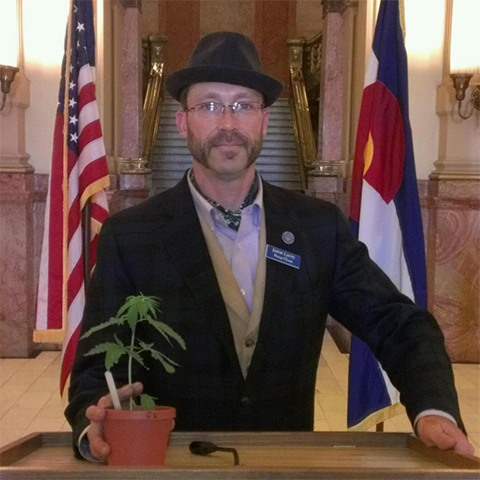
-Jason Lauve, Mr. Hemp: co-author of the 2012 and 2013 hemp legislation in Colorado.
Addendum
Laboratory Discovery
There have been legal changes that required forensic laboratories throughout the United States to implement quantitative analytical methods to distinguish cannabis seizures as marijuana or hemp. However, many of these laboratories have little to no experience in, nor are accredited to perform, quantitative drug analysis [46].
Laboratory discovery is essential to determine whether a scientific result is verifiable and reliable. Dr. Fred Whitehurst, an American chemist, attorney, and former Supervisory Special Agent in the FBI Laboratory (1986–1998), developed 28 critical questions to assess the validity of forensic testing procedures [47]. As a whistleblower, he exposed procedural misconduct within the FBI, prompting an investigation that led to 40 forensic reforms aimed at improving testing reliability.
Laboratory Discovery: Controlled Substance
The 28 Questions Developed by Fred Whitehurst
- Evidence collection records — Forms or logs detailing the evidence description, packaging, identification of specimens, collectors’ names, and sample collection procedures.
- Chain-of-custody documentation — Full records of evidence transfer, from field to lab and throughout the lab’s internal processing.
- Laboratory receiving records — Documentation of evidence receipt (date, time, condition), lab-assigned identifiers, and storage locations.
- Subsampling and contamination control protocols — Procedures for obtaining analytical aliquots and preventing contamination.
- Standard Operating Procedures (SOPs) — Copies of SOPs in effect during testing, covering sample screening, preparation, analysis, instrument operation, and data reporting.
- Proficiency testing records — Two bracketing controlled substance proficiency results for each analyst or technician, including raw data, scores, correspondence, and acceptance ranges.
- Traceability of standards and reference materials — Documentation of IDs, origins, preparation/use dates, composition, concentration, certifications, storage conditions, and shelf life.
- Sample preparation logs — Dates, conditions, personnel, reference procedures, reagent origins and concentrations, extract volumes, and co-processed samples.
- Bench notes and log books — All written observations or records related to instruments or sample testing.
- Instrument run logs — Identification and sequencing of standards, controls, blanks, rinses, and samples; aborted runs must also be documented.
- Instrument settings and calibration criteria — Records of equipment parameters including GC column specs, tuning, calibration checks, and performance criteria.
- Instrument maintenance logs — Routine and emergency maintenance records for relevant equipment, especially during weeks surrounding the testing period.
- Raw analytical data — Complete measurement sequences including chromatograms, spectra, injection volumes, dilution factors, and QC sample values.
- Spectral library information — Description of the reference library used for substance identification, including sources and number of spectra.
- Theoretical yield calculations — Documentation showing how theoretical drug production yields were computed, including formulas used.
- Balance calibration procedures — SOPs for calibrating and verifying scales used to weigh controlled substances.
- Mass calibration results — Records confirming mass traceability for gravimetric determinations.
- Contamination control results — Survey results and analytical methods for trace-level analytes, relevant at the time of testing.
- Internal data review — Documentation of internal audits or reviews of subject case data.
- Method validation data — Records demonstrating accuracy, specificity, linearity, precision, and detection limits of analytical methods.
- Quality Manual — A copy of the lab’s Quality Manual active at the time of testing, as well as the most current version.
- Technical/operational procedures — SOPs for lab operations relevant to the analytes tested, both at the time of testing and current versions.
- Accreditation documentation — The lab’s ASCLD-LAB accreditation application and its most recent Annual Accreditation Review Report.
- Personnel qualifications — Analyst/technician credentials, including names, jurisdictions, and prior court testimony involving the same substances.
- Inspection reports — ASCLD-LAB inspection reports and audits from any other relevant oversight organizations.
- Internal audit reports — Audits conducted during the time subject samples were tested.
- Lab instrumentation inventory — List of major instruments used at the time, including make, model, and accessories.
- Production throughput data — Monthly or yearly number of drug tests performed and the number of Full-Time Equivalent (FTE) personnel in the drug testing section.
References
[01] Romilly E Hodges 1, Deanna M Minich. Modulation of Metabolic Detoxification Pathways Using Foods and Food-Derived Components: A Scientific Review with Clinical Application. J Nutr Metab. 2015 Jun 16;2015:760689. https://onlinelibrary.wiley.com/doi/10.1155/2015/760689
[02] National Food and Nutrient Analysis Program (NFNAP), https://www.ars.usda.gov/ARSUserFiles/80400525/FactSheets/NDL_FactSheet_NFNAP.pdf
[03] Non-enzymatic decarboxylation refers to the removal of a carboxyl group (-COOH) from a molecule without the aid of enzymes. This process typically involves heating the molecule or utilizing specific chemical catalysts, such as metal ions. It’s a common reaction in organic chemistry and can occur under various conditions, including acidic or basic solutions, or even spontaneously at higher temperatures.
[04] Kabakov A, Polisetty RS, Murray M. A Call for Person-Centered Language and Consistent Terminology Regarding Cannabis Use. Cannabis Cannabinoid Res. 2022 Apr;7(2):122-125. doi: 10.1089/can.2021.0073. Epub 2021 Aug 24. PMID: 34432524; PMCID: PMC9070736. https://pmc.ncbi.nlm.nih.gov/articles/PMC9070736/
[05] R B Laprairie 1, A M Bagher 1, et al., Cannabidiol is a negative allosteric modulator of the cannabinoid CB1 receptor. Br J Pharmacol. 2015 Oct;172(20):4790-805. doi: 10.1111/bph.13250. Epub 2015 Oct 13. https://pmc.ncbi.nlm.nih.gov/articles/PMC4621983/
[06] Peled-Raz, M. Human rights in patient care and public health—a common ground. Public Health Rev 38, 29 (2017). https://doi.org/10.1186/s40985-017-0075-2.
[07] Lena, T. Mercola. 3 June 2022. Rockefeller Medicine: A Poisonous Illusion?
https://articles.mercola.com/sites/articles/archive/2022/06/03/rockefeller-medicine.aspx
[08] Chen Y, Michalak M, Agellon LB. Importance of Nutrients and Nutrient Metabolism on Human Health. Yale J Biol Med. 2018 Jun 28;91(2):95-103. PMID: 29955217; PMCID: PMC6020734. https://pmc.ncbi.nlm.nih.gov/articles/PMC6020734/
[09] WHO Technical Report Series 916. 2002. Report of a Joint WHO/FAO Expert Consultation. Diet, Nutrition and the Prevention of Chronic Diseases, 4.4 Gene-nutrient interactions and genetic susceptibility. https://www.fao.org/4/ac911e/ac911e06.htm
[10] Philippe Lucas, Zach Walsh, Kim Crosby, Robert Callaway, Lynne Belle-Isle, Robert Kay, Rielle Capler, Susan Holtzman, 14 September 2015, “Substituting cannabis for prescription drugs, alcohol and other substances among medical cannabis patients: The impact of contextual factors,” https://pubmed.ncbi.nlm.nih.gov/26364922/
[11] Maté, Gabor, 2010, “In the Realm of Hungry Ghosts: Close Encounters with Addiction” https://archive.org/details/inrealmofhungryg0000matg_d1g3
[12] The Farm Bill of 2018, “Agriculture Improvement Act of 2018,” Subtitle G—Hemp Production SEC. 297A. DEFINITIONS https://www.congress.gov/bill/115th-congress/house-bill/2/text
[13] The 0.3% dry weight figure originated from: Small, E., and Cronquist, A. 1976. “A practical and natural taxonomy for Cannabis.” Taxon 25: 405-435.
[14] Pertwee RG. The diverse CB1 and CB2 receptor pharmacology of three plant cannabinoids: delta9-tetrahydrocannabinol, cannabidiol and delta9-tetrahydrocannabivarin. Br J Pharmacol. 2008 Jan;153(2):199-215. doi: 10.1038/sj.bjp.0707442. Epub 2007 Sep 10. PMID: 17828291; PMCID: PMC2219532. https://pmc.ncbi.nlm.nih.gov/articles/PMC2219532/
[15] UNDOC, ST/NAR/40/REV.1, March 2022, Recommended methods for the identification and analysis of cannabis and cannabis products, https://www.unodc.org/unodc/en/scientists/recommended-methods-for-the-identification-and-analysis-of-cannabis-and-cannabis-products.html
[16] Dr. Woodward’s testimony: https://www.druglibrary.net/schaffer/Library/studies/vlr/vlr4.htm
[17] https://www.researchgate.net/publication/304880511_The_War_on_Drugs_A_Failed_Paradigm
[18] Callaway, J. C. (2004). Hemp seed as a nutritional resource: An overview. Euphytica, 140, 65–72. “Hemp seeds contain over 30% fat. They are exceptionally rich in two essential fatty acids, linoleic acid (omega-6) and alpha-linolenic acid (omega-3)… They are also a great protein source, as more than 25% of their total calories are from high-quality protein.” https://www.researchgate.net/publication/226272227_Hempseed_as_a_nutritional_resource_An_overview
[19] Zhibin Liang, David Soriano-Castell, Devin Kepchia, Brendan M. Duggan, Antonio Currais, David Schubert, Pamela Maher, Cannabinol inhibits oxytosis/ferroptosis by directly targeting mitochondria independently of cannabinoid receptors, Free Radical Biology and Medicine, Volume 180, 2022, Pages 33-51, ISSN 0891-5849, https://www.sciencedirect.com/science/article/abs/pii/S0891584922000016
[20] Schroeder HA. Losses of vitamins and trace minerals resulting from processing and preservation of foods. Am J Clin Nutr. 1971 May;24(5):562-73. doi: 10.1093/ajcn/24.5.562. PMID: 5578515. https://pubmed.ncbi.nlm.nih.gov/5578515/
[21] Garvin, D.F., Welch RM, Finley JW (2006). Historical shifts in the seed mineral micronutrient concentration of US hard red winter wheat germplasm. Journal of the Science of Food and Agriculture 86, 2213–2220. https://www.researchgate.net/profile/Ross-Welch/publication/262963212_Zinc_and_Iron_Concentrations_in_Seeds_of_Wild_Primitive_and_Modern_Wheats/links/5458f9a70cf2bccc4912b153/Zinc-and-Iron-Concentrations-in-Seeds-of-Wild-Primitive-and-Modern-Wheats.pdf
[22] Clarke, R. C., & Merlin, M. D. (2013). Cannabis: Evolution and Ethnobotany. University of California Press.
[23] Dinh H, Fernandes KE, Erpf PE, Clay EJM, Tay AP, Nagy SS, Schaefer S, Maharjan R, Lenardon MD, Multari DH, Haynes PA, Paulsen IT, Santiago MJ, Connor M, Carter D, Cain AK. Uncovering the antifungal potential of Cannabidiol and Cannabidivarin. PLoS Negl Trop Dis. 2025 Jun 5;19(6):e0013081. doi: 10.1371/journal.pntd.0013081. PMID: 40470967; PMCID: PMC12139526. https://pubmed.ncbi.nlm.nih.gov/40470967
[24] Valeri A, Mazzon E. Cannabinoids and Neurogenesis: The Promised Solution for Neurodegeneration? Molecules. 2021 Oct 19;26(20):6313. doi: 10.3390/molecules26206313. PMID: 34684894; PMCID: PMC8541184. https://pmc.ncbi.nlm.nih.gov/articles/PMC8541184/
[25] Center for Substance Abuse Treatment (US). Trauma-Informed Care in Behavioral Health Services. Rockville (MD): Substance Abuse and Mental Health Services Administration (US); 2014. (Treatment Improvement Protocol (TIP) Series, No. 57.) Chapter 3, Understanding the Impact of Trauma. Available from: https://www.ncbi.nlm.nih.gov/books/NBK207191/
[26] Maté, Gabor, 2022, Maté, Gabor, and Daniel Maté. The Myth of Normal: Trauma, Illness & Healing in a Toxic Culture. Avery, an imprint of Penguin Random House, 2022. Marmot Library Network
[27] According to Rich Roll Podcast (personal communication with Gabor Maté, 5 Sept 2022), https://youtu.be/AEpD2o6MZOk
[28] Wachtel-Galor, S, Benzie IFF. Herbal Medicine: An Introduction to Its History, Usage, Regulation, Current Trends, and Research Needs. In: Benzie IFF, Wachtel-Galor S, editors. Herbal Medicine: Biomolecular and Clinical Aspects. 2nd edition. Boca Raton (FL): CRC Press/Taylor & Francis; 2011. Chapter 1. https://www.ncbi.nlm.nih.gov/books/NBK92773/
[29] Morales F, Montserrat-de la Paz S, Leon MJ, Rivero-Pino F. Effects of Malnutrition on the Immune System and Infection and the Role of Nutritional Strategies Regarding Improvements in Children’s Health Status: A Literature Review. Nutrients. 2023 Dec 19;16(1):1. doi: 10.3390/nu16010001. PMID: 38201831; PMCID: PMC10780435. https://pubmed.ncbi.nlm.nih.gov/38201831/
[30] Zhu Q, Yuan F, Wang C, Luan D, Wang H. The impact of corporate violations on charitable donation behavior. Front Psychol. 2023 Apr 25;14:1121381. doi: 10.3389/fpsyg.2023.1121381. PMID: 37179858; PMCID: PMC10166857. https://pmc.ncbi.nlm.nih.gov/articles/PMC10166857/
[31] Redford, G. (17 Nov 2020). AAMC renames prestigious Abraham Flexner award in light of racist and sexist writings. Association of American Medical Colleges. https://www.aamc.org/news/aamc-renames-prestigious-abraham-flexner-award-light-racist-and-sexist-writings
[32] Duffy TP. The Flexner Report–100 years later. Yale J Biol Med. 2011 Sep;84(3):269-76. PMID: 21966046; PMCID: PMC3178858. https://pmc.ncbi.nlm.nih.gov/articles/PMC3178858/
[33] Hume, E. Douglas, et al. Bechamp or Pasteur, C.W. Daniel Company Limited, 1947. https://archive.org/details/bechamporpasteur00hume_0
[34] Shao, T; Kumar Verma, H; et al., Physical Activity and Nutritional Influence on Immune Function: An Important Strategy to Improve Immunity and Health Status, Front Physiol. 8 October 2021. The Role of Nutrition in the Immune System.
https://pmc.ncbi.nlm.nih.gov/articles/PMC8531728
[35] Hopkins E, Sanvictores T, Sharma S. Physiology, Acid Base Balance. [Updated 2022 Sep 12]. In: StatPearls [Internet]. Treasure Island (FL): StatPearls Publishing; 2025 Jan-. Available from: https://www.ncbi.nlm.nih.gov/books/NBK507807/
[36] Keeling, P., Palmer, J. Horizontal gene transfer in eukaryotic evolution. Nat Rev Genet 9, 605–618 (2008). https://www.nature.com/articles/nrg2386
[37] Melamede, B. Evolutionism. https://canna-sapiens.com/evolutionism.html
[38] Shafer Commission, Commission on Marihuana and Drug Abuse, Marihuana: a signal of misunderstanding; first report, 1972. https://archive.org/details/marihuanasignalo00unit/page/154/mode/2up
[39] Pharmacann Ohio, LLC, vs. Ohio Dept. Com. Dir. Jacqueline T. Williams, No. 17-CV-10962, 2018 WL 7500067, at *3 (Ohio Com. Pl. Nov. 15, 2018). https://pmc.ncbi.nlm.nih.gov/articles/PMC10373104/
[40] Sheehan, K., Bhatti, P.K., Yousuf, S. et al. Long-term effects of a community-based positive youth development program for Black youth: health, education, and financial well-being in adulthood. BMC Public Health 22, 593 (2022). https://doi.org/10.1186/s12889-022-13016-z
[41] Erin Clover Kelly, Marisa Lia Formosa (2020). “The economic and cultural importance of cannabis production to a rural place.” Journal of Rural Studies, Volume 75, April 2020, Pages 1-8. https://www.sciencedirect.com/science/article/abs/pii/S0743016719308538
[42] Wachtel-Galor, S, (2011)
[43] Herbal Medicine Market Size, Share & Trends Analysis Report By Intervention (Ayurveda, Traditional Chinese Medicine), By Product Form (Tablet/Capsules, Powder), By Source, By Distribution Channel, By Region, And Segment Forecasts, 2024 – 2030,
https://www.grandviewresearch.com/industry-analysis/herbal-medicine-market-report
[44] Rojas, P., Jung-Cook, H., Ruiz-Sánchez, E., Rojas-Tomé, I.S., Rojas, C., López-Ramírez, A.M., and Reséndiz-Albor, A.A. 2022. Historical aspects of herbal use and comparison of current regulations of herbal products between Mexico, Canada and the United States of America. International Journal of Environmental Research and Public Health 19, 15690.
https://pmc.ncbi.nlm.nih.gov/articles/PMC9740500/
[45] Secretaria el Medio Ambiente y Recursos Naturales. Plantas Medicinales de México. Available online: https://www.gob.mx/semarnat/articulos/plantas-medicinales-de-mexico?idiom=es (accessed on 1 April 2022).
[46] “These legal changes have required forensic laboratories throughout the United States the need to implement quantitative analytical methods to distinguish cannabis seizures as marijuana or hemp. However, many of these laboratories have little to no experience in, nor are accredited to perform, quantitative drug analysis.”
https://www.nist.gov/programs-projects/nist-tools-cannabis-laboratory-quality-assurance
[47] 28 Questions for Laboratories: Laboratory Discovery: Controlled Substances Whitehurst, in addendum.
Diagrams
Words Matter_01
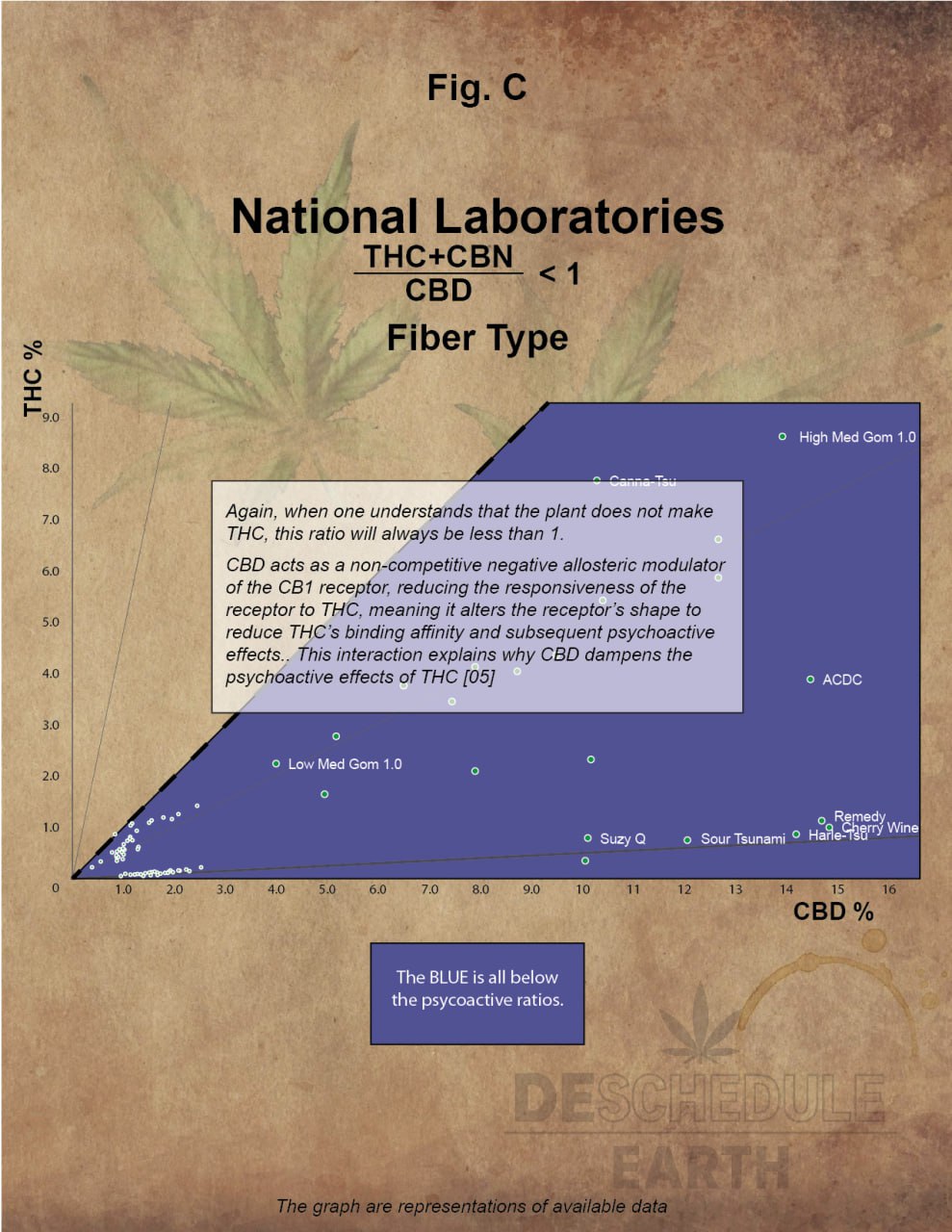
Fig C National Lab Ratio Graph
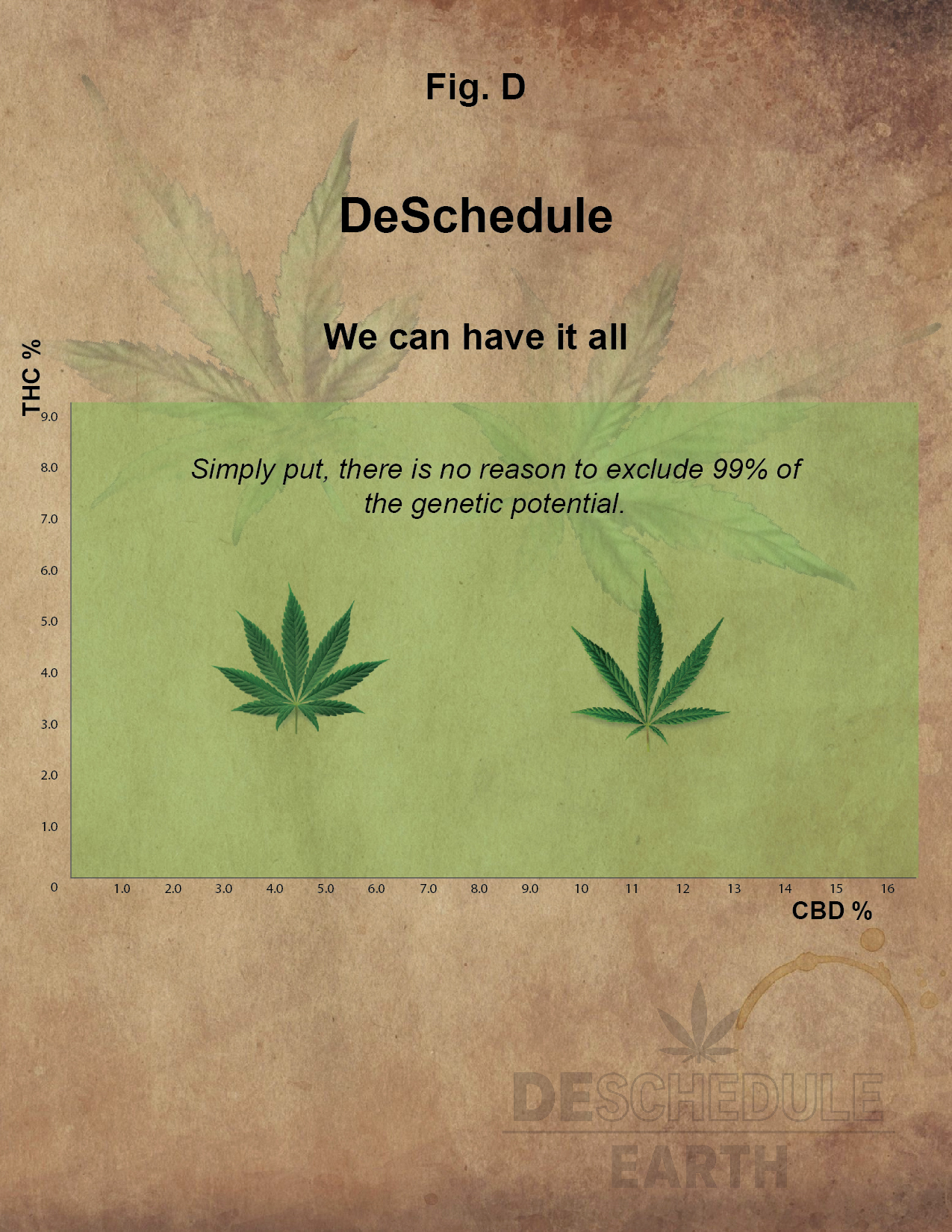
Fig D DeSchedule Graph
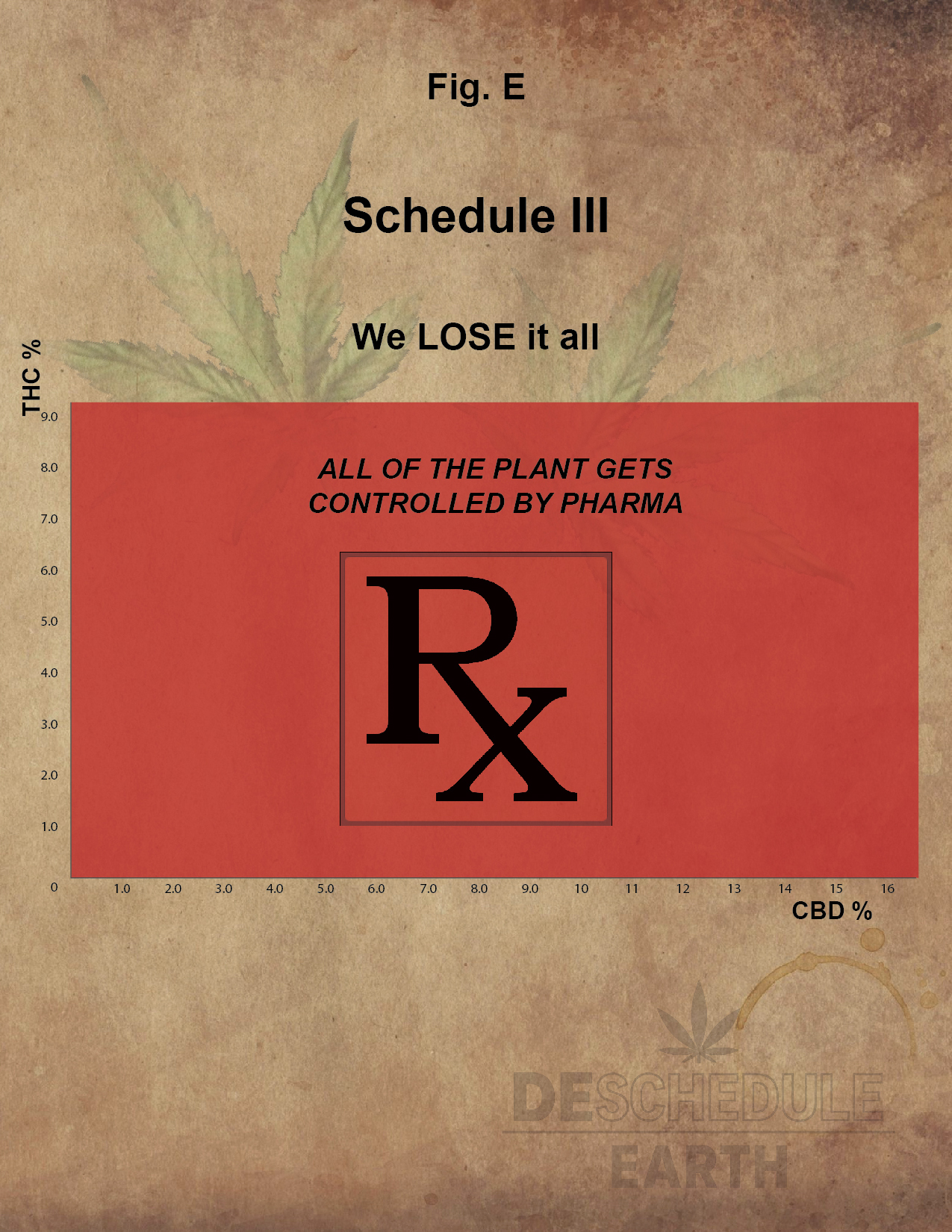
Fig C National Lab Ratio Graph
About the Author
Jason Lauve (Mr. Hemp)
Hemp Innovator
Jason Lauve is considered the innovator and leading light in Industrial Hemp development in the United States of America. He chose to defend his Human Rights and won a Cannabis indictment in 2009. In 2012 co-authored the first successful hemp legislation in Colorado.